 Society for the Confluence of Festivals in India
Holi in Maharashtra
People of Maharashtra have their own grand style of celebrating Holi. Besides other things, not to be missed is their mouthwatering delicacy- Puranpoli.
Holi is called Shimga or RangpanchamiPeople of Maharashtra commonly know this festival of colours by the name of Shimga or Rangpanchami. For, the play of colours is reserved for the fifth day here.
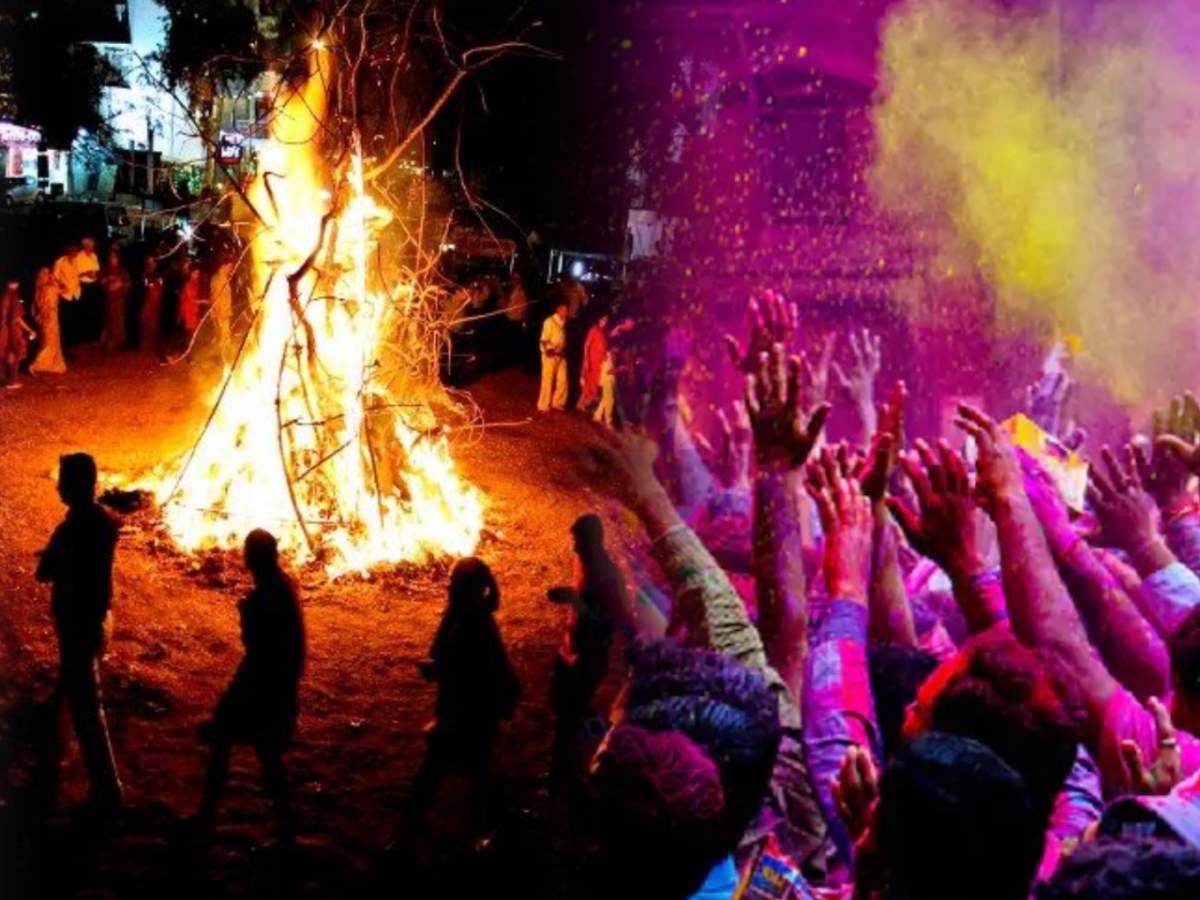
The festival is particularly popular amongst the fisher folk. They celebrate it in on a large scale and revel in the festivities by singing, dancing and merry-making. This special dance provide them means to release all their repressed feelings, needs and desires. People also utter sound through their mouths in a peculiar fashion by striking their mouths with the back of their hands.
Holi differs from North India in MaharashtraPeople of Maharashtra celebrate Holi like the North Indians. Play with colours is reserved for Rangpanchami, which comes five days after Phalgun Poornima. On this day, they make bonfire and effigy of Ogress Holika is burnt symbolizing the victory of good over evil.
The state also gets its unique Holi flavour with the delicacies such as Puran Poli. Besides people drink sugarcane juice and feed children with watermelons that are in season.
Tolis to break the potGreat excitement is visible in the youth of Maharashtra when it comes to Holi revelry particularly when it comes to breaking the pot. Trained groups also called tolis form huge pyramids to break the pot of butter-milk hung high on the street. Adding to the enthusiasm is the steady flow of colour water on the men by the womenfolk.
The tradition finds its roots in the legend that the Lord Krishna as a child was extremely fond of butter milk and used to steal it from an accessible house in his village.
Historic significance of Holi in MaharashtraDuring the Maratha regime this festival was celebrated with great pomp and grandeur. It was on a Holi festival day that five-year-old Jijabhai, daughter of Lakhooji Jadhav innocently splashed coloured water and threw gulal on young Shahaji, son of Malajirao Bhowale. Taking it as an auspicious event, the two children's engagement was announced that very day. Soon they were married. Later, Jijabhai gave birth to Shivaji, the founder of great Maratha empire.
- 100 Whatsapp Messages for Holi Wishes In English
- 100 Whatsapp Messages for Holi Wishes In Hindi
- History of Holi
- Rituals of Holi
- Significance of Holi
- Tradition of Holi
- Holi Celebration
- Festival of Colours
- Evening of Bonfires
- Holi Pooja Process
- Holi 2025
- Celebrate an Eco Friendly Holi
Significance of Holi
Holi is considered as one of the most celebrated and revered festivals celebrated by the people of Hindu community in India. People in every part of the country and also those living in foreign country celebrate this festival with a...Know More
Holi Related Festivals
Holi is considered as an important festival of India and is celebrated around the country with great zeal and enthusiasm. There are also a great many of Holi related festivals that are celebrated in different states of India.Know More
Copyright © 2005- www.holifestival.org. All Rights Reserved


